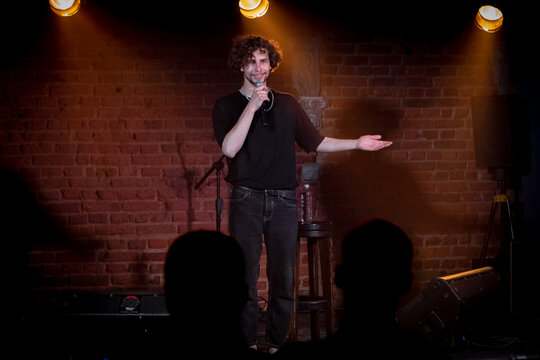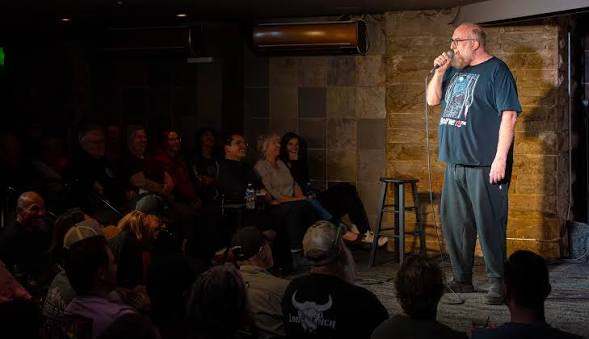

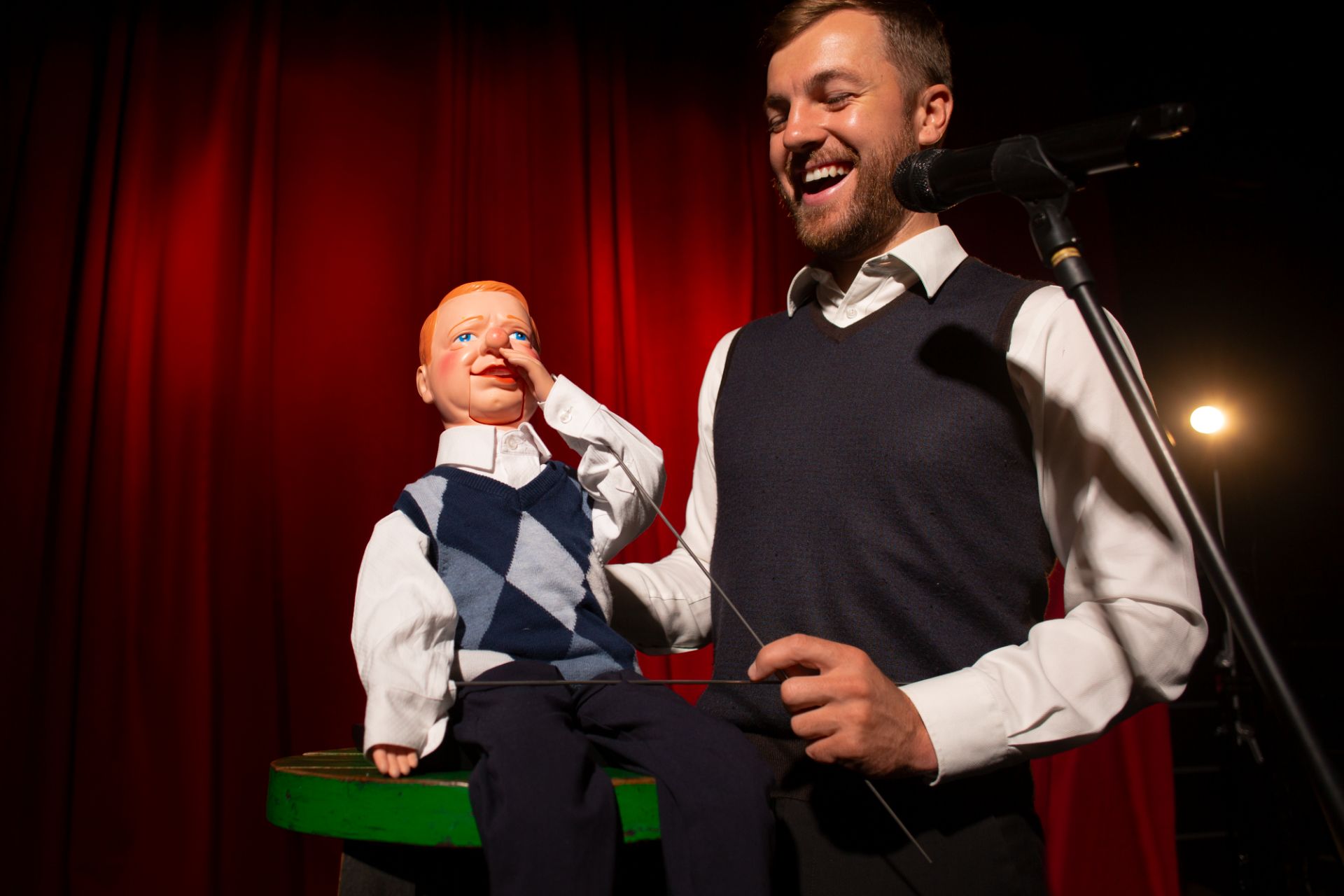
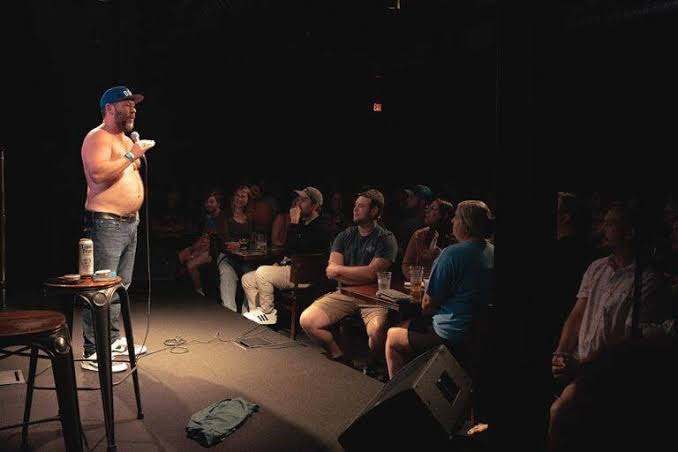
Montréal is the most unusual comedy city in Canada, and the reason is structural rather than cultural. It runs two full-sized comedy scenes at the same time, in two languages, in the same neighbourhoods, frequently in the same venues on different nights — and an audience member in one can go years without encountering the other.
The anglo scene
English-language comedy in Montréal is concentrated in Mile End, the Plateau and pockets of Saint-Henri. It is an indie scene by temperament: showcase rooms of five to eight comics, door prices in the five to twelve dollar range, and a heavy weekly-recurring backbone. The rooms are small, the crowds are young, and the material tends to be looser and more experimental than the equivalent room in Toronto.
The franco scene
Francophone comedy — l’humour — is not a subculture here. It is a major industry with its own stars, its own touring circuit, its own television pipeline and audiences that fill theatres. At street level that translates to soirées d’humour across the Plateau and Saint-Roch-style rooms all over the city, running on the same weekly-recurring model but plugged into something much larger.
If you read French, this roughly doubles your options on any given night. If you do not, you are still fine — but you are seeing half the city.
Why the split matters for finding shows
Because promotion happens in the language of the room. A franco night is announced in French, to French-speaking followers, in French-language groups. An anglophone searching in English will simply never see it. This is the single biggest reason Montréal comedy feels harder to find than its volume suggests — the listings are not missing, they are in the other half of the city’s internet.
Neighbourhood by neighbourhood
- Le Plateau — the densest concentration of rooms in the city, in both languages. Start here.
- Mile End — anglo showcase heartland. Small rooms, strong regulars, cheap doors.
- Saint-Henri — newer rooms, brewery and café spaces, more experimental bills.
- Quartier des Spectacles — the big-room and festival end. Theatres, clubs, touring names.
Festival season changes everything
For a few weeks each summer, Montréal holds more working comedians per square kilometre than anywhere in North America. The visible part is the ticketed galas. The valuable part is what happens in the small rooms afterward: drop-in sets from comics who are in town anyway, in eighty-seat venues, for indie prices. Those nights are almost never advertised more than a day ahead.
What it costs
Cheaper than Toronto or Vancouver, consistently. Five to twelve dollars covers most indie rooms, free and pay-what-you-can nights are widespread, and even club shows tend to undercut their equivalents in other major cities. Montréal’s cheaper venue economics land directly in the audience’s favour.
Finding both scenes at once
This is the case where a bilingual listing app stops being a nice feature and becomes the actual product. Where2Laugh lists rooms in English and French in one feed, so a Montréal night shows up whichever language it was published in — anglo showcase, soirée d’humour, or a room that runs both.