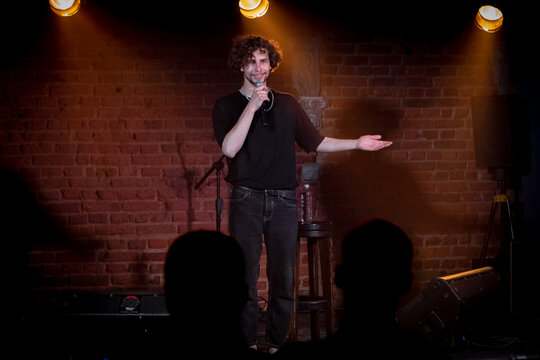
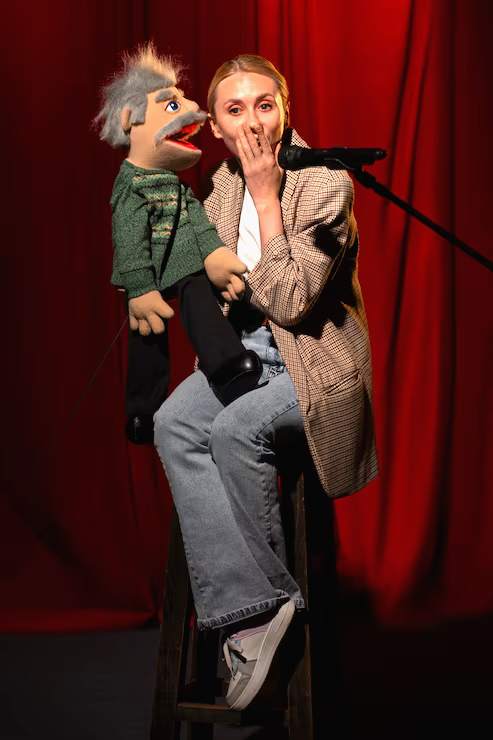
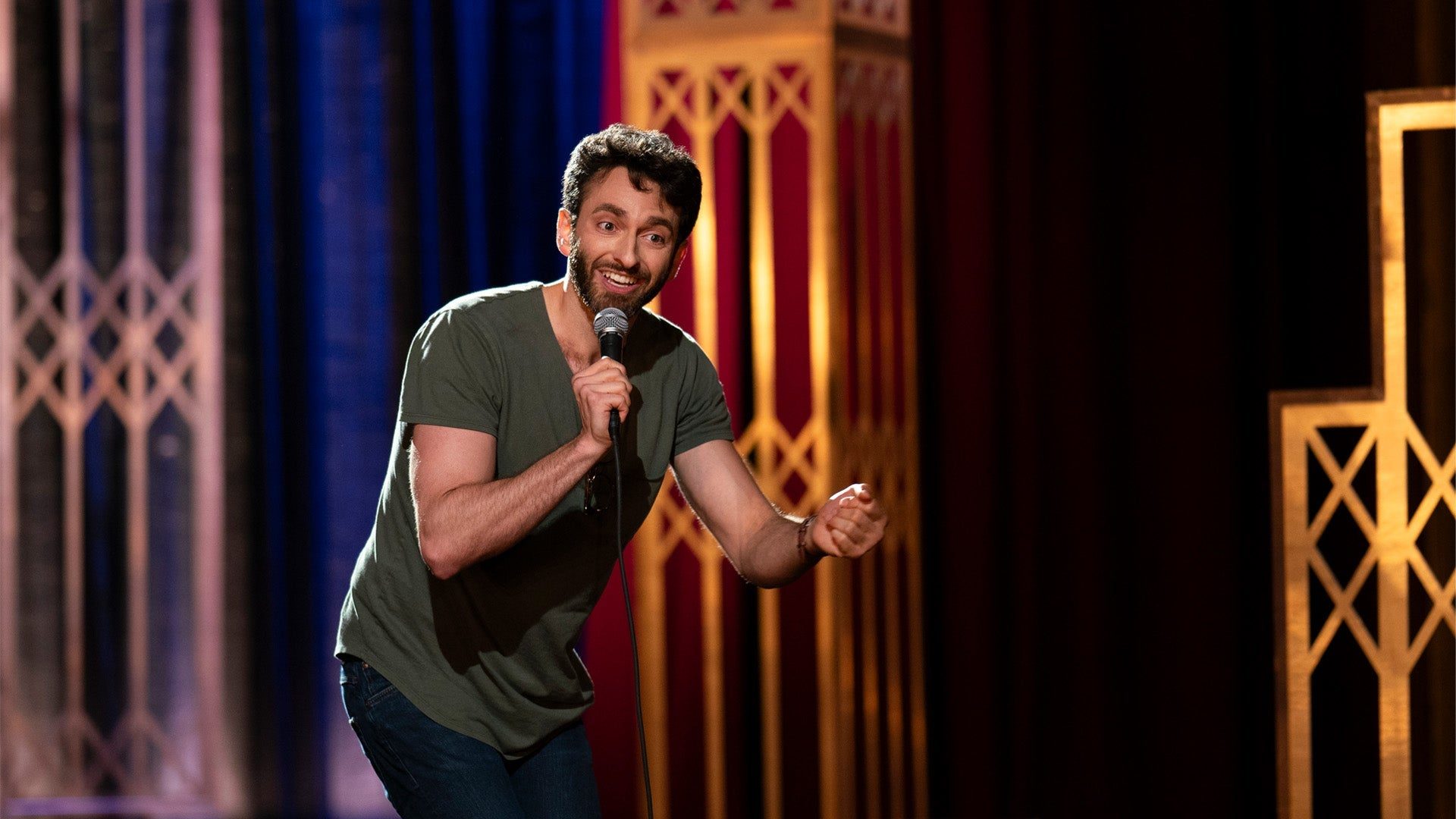
On any given Tuesday, Toronto has somewhere between fifteen and forty live comedy rooms running. Clubs downtown, showcase nights above bars on Ossington, sketch in the west end, and open mics in basements from Kensington Market to the Danforth. If you have never gone looking, the number is genuinely startling.
The problem is not supply. It is that almost none of it is listed anywhere you would think to look. Free rooms do not sell tickets, so ticketing platforms never see them. Indie showcases promote through Instagram stories that vanish in a day. The best night in the city might be eight minutes from your apartment and completely unfindable.
Start with what time it is
Toronto comedy runs in three waves, and the wave you are in determines what is actually available.
- Early (7–8 PM) — club early shows, improv, and the polite end of the showcase circuit. Good if you want to be home by ten.
- Prime (8:30–9:30 PM) — the bulk of the city. Indie showcases, roast battles, most open mics. Best variety, best crowds.
- Late (10 PM onward) — Kensington and Ossington rooms, alt nights, and the loosest sets of the week. Comics try things here they would not try at nine.
Know the neighbourhoods
Toronto rooms cluster, which makes planning easy once you know the map. Kensington Market is the spiritual home of the city’s open mic scene — small basements, free entry, high volume of comics. Ossington and Queen West carry the indie showcase circuit, where booked shows of five to eight comics run $5 to $15. The Danforth and the east end run neighbourhood rooms with loyal locals. Downtown is club territory: bigger seats, bigger names, real prices.
What it actually costs
This is where Toronto surprises people. A great night of live comedy here frequently costs nothing. Open mics are free by default — the room makes money at the bar, and you are the audience they need. Indie showcases sit in the $5 to $15 range, usually cash or e-transfer at the door. Clubs are the expensive tier at $20 to $35 plus a two-item minimum, and they are worth it when the headliner is somebody you would otherwise pay theatre prices to see.
If you are on a budget, the honest advice is to skip the clubs entirely for your first few outings. The indie circuit is where the city’s comics actually work, and a $10 showcase often has a better hit rate than a $30 weekend bill.
Weekly rooms are your anchor
Almost every reliable Toronto comedy night is recurring. The same room, same night, same host, every week for years. Once you find two or three weeklies you like, you effectively always have somewhere to go — and the hosts start recognising you, which is half the pleasure of a small room.
How to actually get in tonight
For open mics and most indie rooms: turn up ten minutes before the listed start time with cash. That is the entire process. Nobody needs your name. For weekend club shows, reserve — those genuinely sell out, and walking up at 9 PM on a Saturday to a full house is a bad Saturday.
For anything in between, message the room. Toronto hosts answer their own DMs and emails, and "can you hold two?" almost always works on a weeknight.
What to expect once you are in
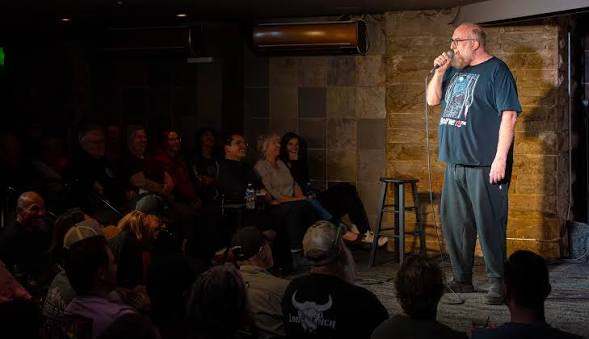
Toronto rooms are small. Forty to a hundred and fifty seats is typical, which means the front row is genuinely the front row and the comic can see your face. Sit close if you want the energy; sit back if you would rather not be part of the show. Phones down either way — a lit screen in row two is the fastest way to lose a room.
Heckling is not participation. Laughing loudly is. Buy a drink even at a free show, because bar sales are the only reason free comedy exists in this city.
Where Where2Laugh fits
This is exactly the problem the app was built for. Set your city to Toronto and the feed shows every room running tonight, ordered by what starts next — clubs, showcases, mics, all in one list, including the free rooms that no ticketing platform will ever carry. Filter by price, style or neighbourhood, then contact the room directly. We never sell tickets and never add a fee.