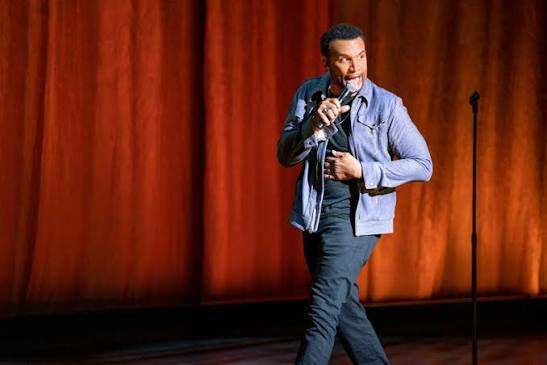


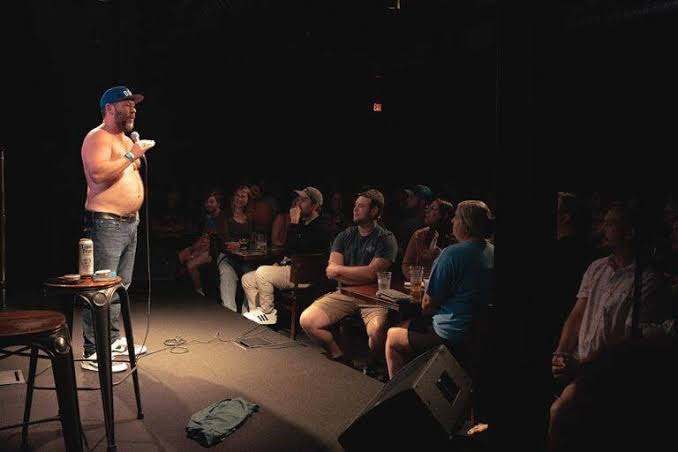
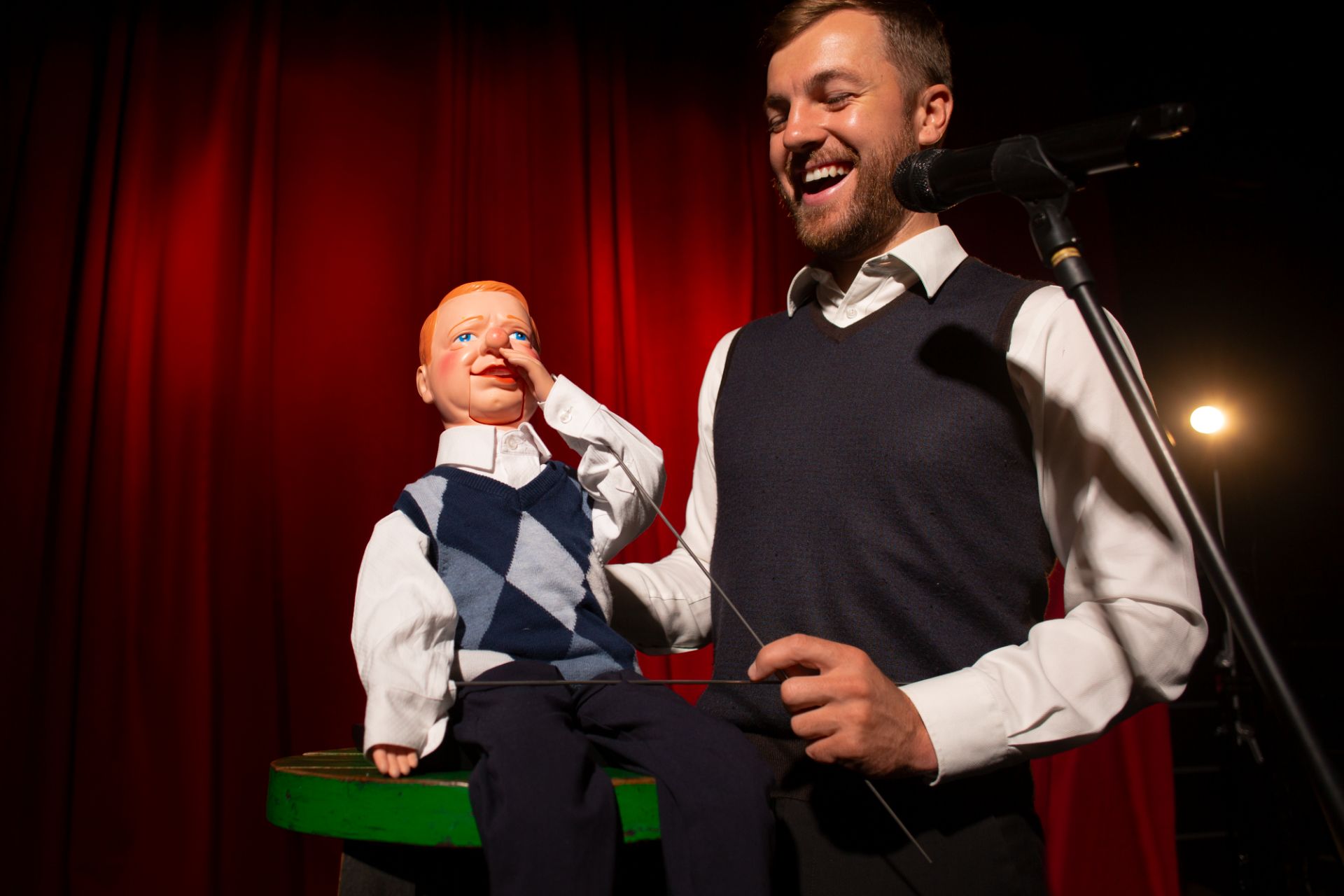
The open mic is the engine room of Canadian comedy. Every touring headliner you have paid thirty dollars to see spent years in rooms above bars, doing four minutes to eleven people and a dog. Most of them still do — that is where new material gets tested before it goes anywhere near a paying crowd.
And yet open mics are close to invisible online. They do not sell tickets, so no ticketing site lists them. They rarely have their own social accounts. They exist in group chats, on chalkboards, and in the memory of whoever has been going the longest.
How a mic actually runs
The structure is close to identical everywhere in Canada. A host runs a list of comics, each getting a short set — usually three to five minutes, occasionally seven if the room is quiet. The host does a little material between acts, keeps the energy alive, and gently removes anybody who runs long. A typical mic has eight to twenty comics and runs ninety minutes.
Sign-up: the part nobody explains
- In-person list — the most common. Turn up thirty minutes before start, write your name on a sheet, wait. First come, first served.
- Bucket draw — names go in a hat and get pulled at random. Fairer, more nerve-racking.
- Online list — the host posts a form or a message thread earlier in the week. These fill within minutes, so follow the room.
- Host’s discretion — regulars get slotted, newcomers get squeezed in where there is room. Show up repeatedly and you become a regular.
What it costs (almost nothing)
The overwhelming majority of Canadian open mics are free or pay-what-you-can. The venue makes its money at the bar, which makes buying a drink the real cover charge. If a mic passes a bucket, put something in it — that money usually goes to the host who is running the room for free.
For comics: your first five minutes
Bring less material than you think you need. Four minutes is roughly three jokes with room to breathe, not eight jokes at speed. Time yourself before you go, because "I ran long" is how you stop getting booked at a room you liked.
Stay for the whole show. Comics who leave after their own set are noticed, and hosts remember who was in the seats at the end. Watch what works for other people. The education is free and it is sitting right in front of you.
For audiences: why mics are the best value in comedy
An open mic is the least polished and most alive comedy you can watch. You see brand new jokes fail in real time, and occasionally you see something extraordinary land for the first time ever. Nobody in the room, including the comic, knows which it will be.
You also see the people who will be headlining theatres in five years, from eight feet away, for nothing. That trade is very hard to beat.
Etiquette, both sides of the mic
- Phones down and face down. Screens visibly drain a small room.
- Heckling is not helping, even affectionately. Laughing loudly is the participation.
- Do not talk during sets, including whispering to your friend about the last comic.
- Buy something. Free comedy survives entirely on bar sales.
- Applaud everybody, including the person who bombed. Especially them.
Finding mics in your city
Recurring is the key word. Nearly every Canadian mic runs weekly, same night, same room, for years at a stretch. Once you know the two or three weeklies near you, you always have somewhere to go on a Tuesday.
That is precisely what the Where2Laugh feed is for: filter to Open Mic in your city and every recurring room shows up with its night, start time and sign-up method — including the ones that have never had a website in their lives.